


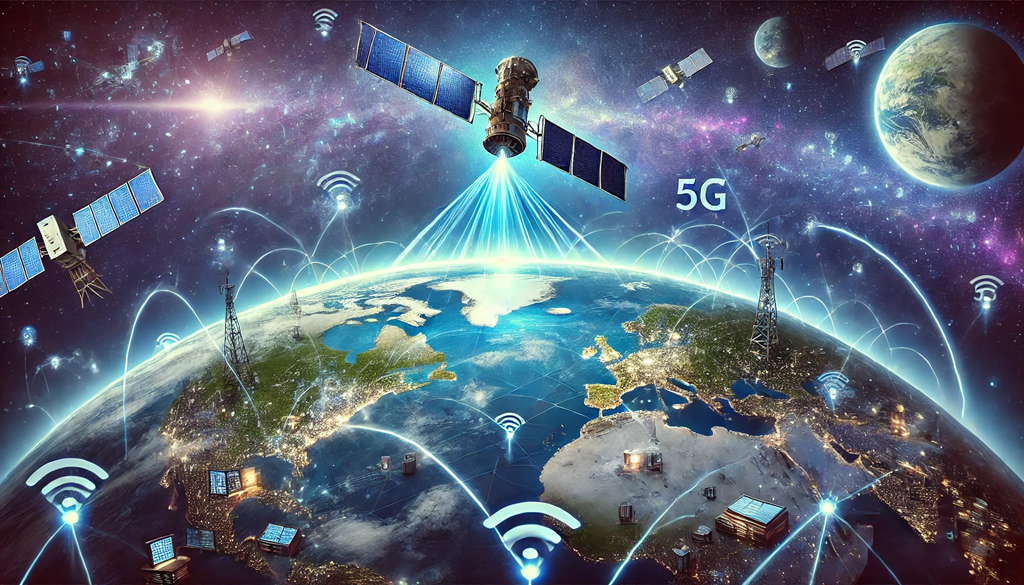
Telecom operators are increasingly adopting satellite technology to address coverage gaps, particularly in remote and underserved regions. This integration aims to provide seamless connectivity where traditional terrestrial networks are impractical or economically unfeasible.
Current Initiatives and Collaborations
- T-Mobile and Starlink: T-Mobile has partnered with SpaceX’s Starlink to extend coverage to areas lacking cellular service. This collaboration enables direct satellite-to-mobile phone connections, allowing users to send texts, images, and, eventually, make calls without relying on terrestrial cell towers. (Source)
- Vodafone’s Satellite Trials: Vodafone has conducted successful tests of satellite-enabled video calls, demonstrating the potential of satellite technology to enhance mobile services in remote locations. These trials are part of a broader strategy to integrate satellite communications into existing networks. (Source)
Market Growth and Economic Considerations
The satellite connectivity market is projected to reach $22 billion by 2032, with an annual growth rate of nearly 15%. (Source) This growth is driven by the need to connect the approximately 7% of the global population residing in areas without reliable mobile coverage. Extending terrestrial networks to these regions is often cost-prohibitive, making satellite solutions a viable alternative. (Source)
Challenges and Considerations
Despite the promise of satellite technology, several challenges must be addressed:
- Spectrum Access: Allocating appropriate frequency bands for satellite communications is crucial to prevent interference with existing services.
- Data Throughput and Latency: Delivering consistent high-data services with low latency remains a technical hurdle, especially for applications requiring real-time responsiveness.
Integration with Terrestrial Networks: Ensuring seamless handoffs between satellite and terrestrial networks is essential for maintaining service continuity.
Applications Across Various Domains
The integration of satellite technology is significantly impacting several sectors:
- Emergency Services: Providing reliable communication in disaster-stricken or isolated areas where terrestrial networks are compromised.
- Maritime and Aviation: Offering consistent connectivity for vessels and aircraft, enhancing safety and operational efficiency.
- Agriculture: Enabling Internet of Things (IoT) applications in remote farming areas, facilitating precision agriculture practices.
Energy and Utilities: Supporting monitoring and control of infrastructure in remote locations, such as pipelines and power lines.
Projected Growth of the Satellite Connectivity Market (2022-2032)

Future of Satellite Technology in Telecom (Next 5 Years)
The next five years are expected to witness a significant transformation in telecom services through satellite integration:
- 5G and Satellite Convergence: More telecom operators will integrate satellite technology with 5G networks, allowing uninterrupted coverage even in remote locations.
- Lower Costs & Higher Accessibility: Advancements in satellite technology will reduce costs, making it more accessible for consumers and businesses.
- AI-Driven Network Optimization: AI and machine learning will enhance satellite communications, optimizing bandwidth usage and network efficiency.
- Expanded IoT Connectivity: Growth in IoT and smart city applications will increase reliance on satellite services for critical operations in logistics, healthcare, and security.
- Space-Based Data Centers: Companies like Amazon and Microsoft are exploring cloud computing via satellites, which could revolutionize data storage and accessibility.
Health Hazards of Satellite-Based Communications
While satellite technology presents numerous advantages, concerns over potential health risks have emerged:
- Radiation Exposure: Increased exposure to non-ionizing radiation from satellites may pose long-term health risks, though studies remain inconclusive.
- Electromagnetic Interference (EMI): Higher levels of radiofrequency (RF) radiation in the environment could interfere with sensitive biological functions.
- Psychological Effects: The growing dependence on constant connectivity may contribute to mental health issues, such as increased stress and cognitive overload.
- Space Debris & Environmental Impact: The rapid increase in satellite launches raises concerns over space debris, which can pose hazards to other satellites and potential environmental effects upon reentry.
Conclusion
The adoption of satellite technology by telecom operators is a game-changer, providing coverage in previously unreachable locations. Despite challenges such as latency and spectrum allocation, advancements in AI, 5G, and IoT will accelerate this shift over the next five years. However, continuous research on the health and environmental impacts of satellite radiation is crucial to ensuring long-term sustainability








Leave a Reply