


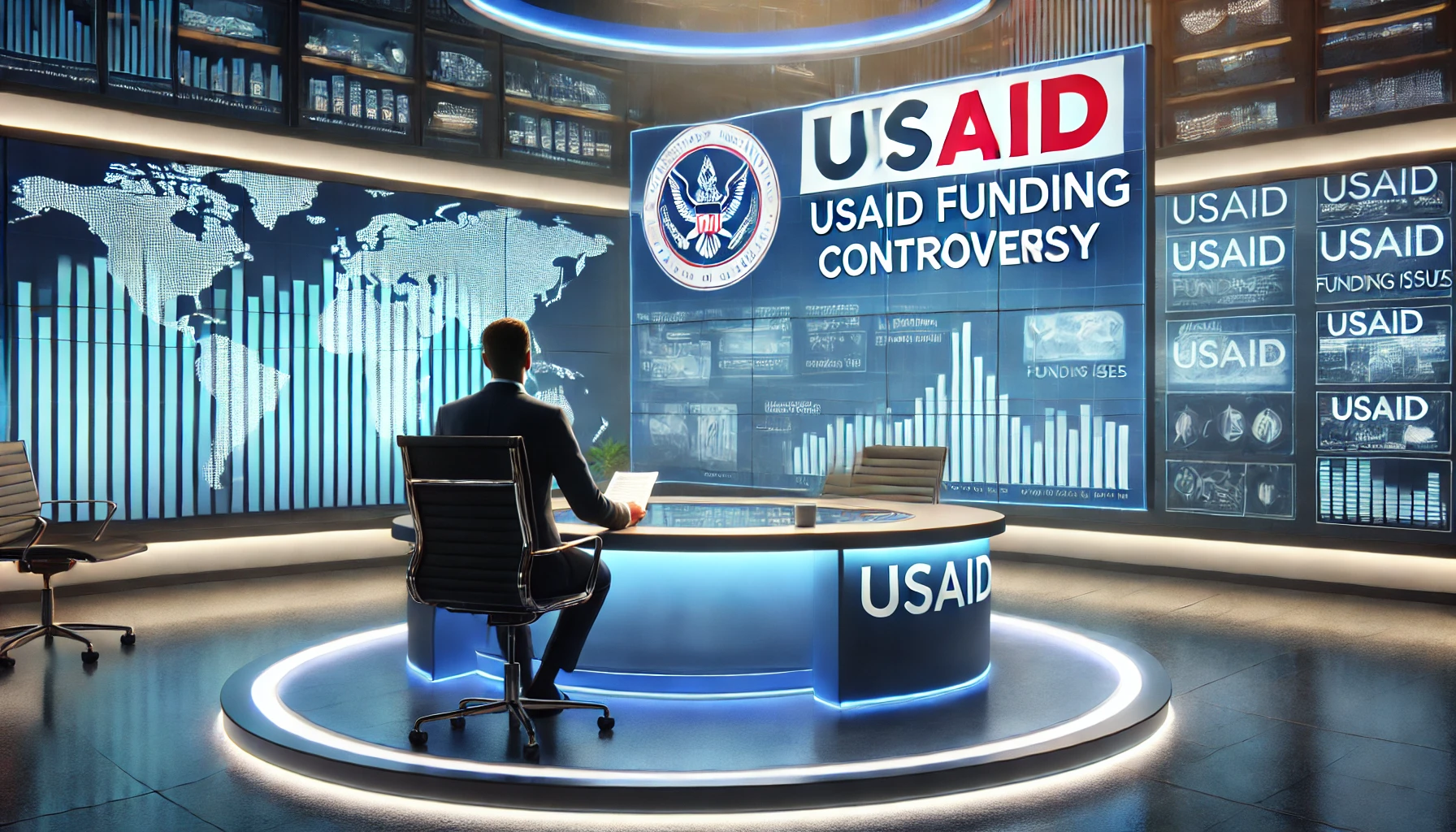
The United States Agency for International Development (USAID) has been at the center of controversy over its funding allocations and the implications of its aid distribution. The issue has gained attention due to concerns about transparency, mismanagement, and political influences affecting the agency’s decisions.
Background of the Controversy
USAID, a U.S. government agency responsible for foreign aid and development assistance, has historically played a crucial role in humanitarian relief, economic development, and global health initiatives. However, recent reports have raised questions regarding the allocation of funds and the effectiveness of various aid programs.
Key Issues in the Funding Debate
- Allegations of Mismanagement:
- Reports suggest that significant portions of USAID funding have not reached the intended recipients. Cases of misallocation and inefficiencies have led to scrutiny from oversight bodies and watchdog organizations.
- An audit by the U.S. Government Accountability Office (GAO) found discrepancies in how certain funds were distributed, with millions of dollars remaining unaccounted for.
- Political Influence on Aid Distribution:
- Accusations have emerged that aid distribution has been influenced by political agendas rather than genuine humanitarian needs.
- Some critics argue that certain countries receive disproportionate aid based on diplomatic relationships rather than economic necessity or crisis severity.
- Suspension of Funding to NGOs:
- In specific cases, funding to non-governmental organizations (NGOs) has been withheld due to policy shifts, leading to disruptions in essential programs such as disaster relief and public health initiatives.
- A notable example was the suspension of aid to certain global health initiatives, reportedly due to policy disagreements between USAID and recipient organizations.
Impact of the Funding Controversy
- Humanitarian Consequences:
- Reduced funding has affected critical programs in regions facing food insecurity, health crises, and economic instability.
- Programs in Africa and South Asia, which rely heavily on USAID assistance, have faced disruptions in healthcare and infrastructure projects.
- Legal and Ethical Concerns:
- Several lawsuits have been filed by advocacy groups, demanding greater transparency in USAID’s financial operations.
- Investigations into potential violations of funding policies have intensified, with congressional hearings expected in the coming months.
Recent Developments and Government Response
- The Biden administration has announced a review of USAID’s funding mechanisms, aiming to ensure efficiency and accountability.
- Efforts to introduce stricter oversight mechanisms, including independent audits and third-party evaluations, are underway.
- USAID has committed to improving transparency through the publication of detailed reports on funding allocations and program outcomes.
Conclusion
The USAID funding controversy remains a complex issue with significant implications for global aid efforts and U.S. foreign policy. While efforts are being made to address concerns over mismanagement and political influence, the ongoing debate highlights the need for a more transparent and accountable aid distribution system.
Sources:
- U.S. Government Accountability Office (GAO) Reports
- USAID Official Website and Press Releases
- Congressional Oversight Committee Reports
- Investigative Journalism Reports from Reuters, The New York Times, and The Washington Post







Leave a Reply